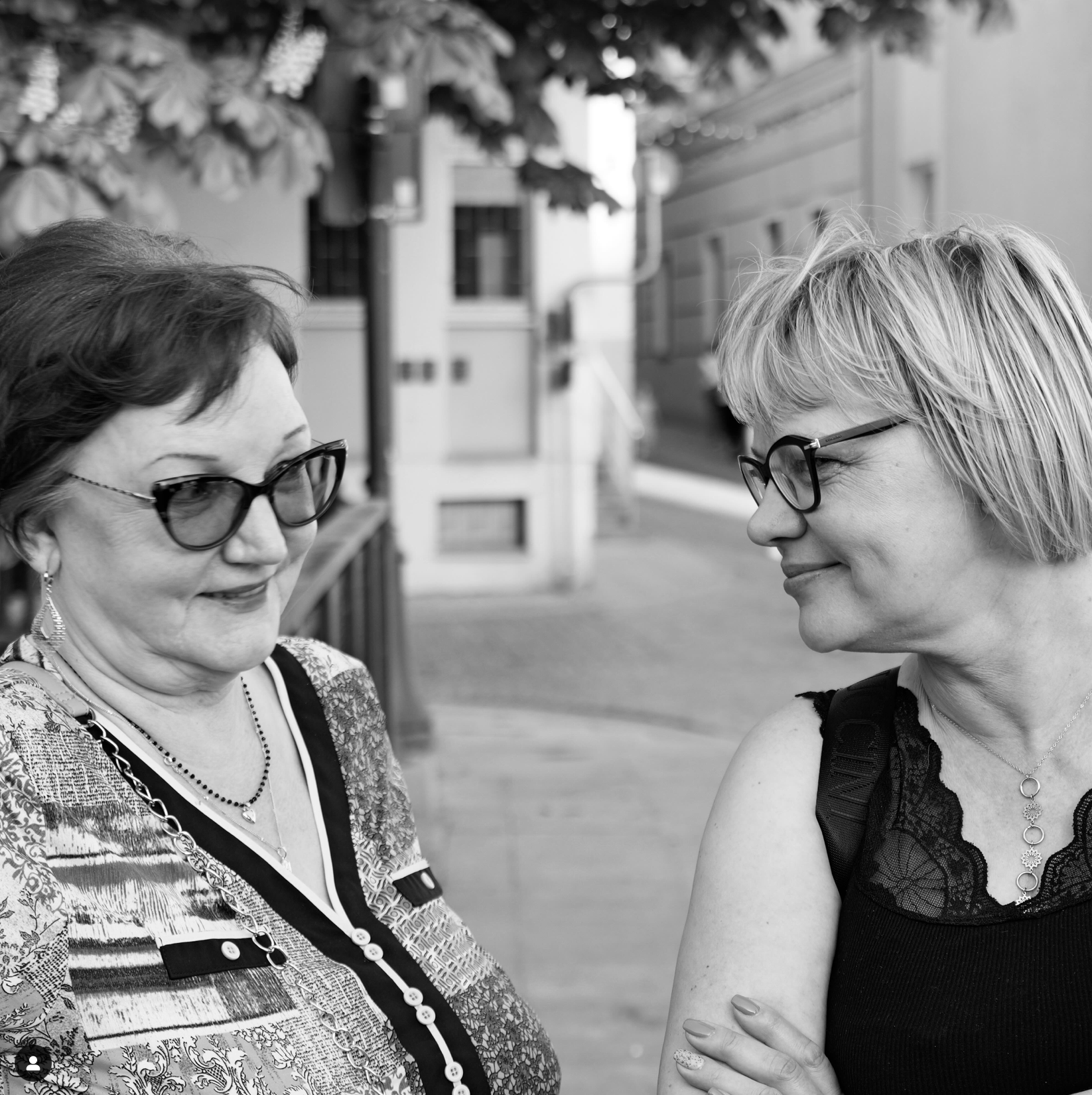

Street photography, the art of capturing candid moments in public spaces, can be a rewarding and inspiring pursuit. However, it also raises ethical questions about privacy, consent, and respect for individuals.
The Fine Line Between Art and Intrusion
Respect for Privacy:
- Avoid Intrusive Behavior: Refrain from following subjects or waiting for extended periods to capture a specific moment.
- Be Mindful of Sensitive Situations: Avoid photographing people in vulnerable or distressing situations.
Informed Consent (When Possible):
- Direct Interaction: If feasible, ask for permission, especially when photographing individuals in close proximity or for commercial purposes.
- Indirect Consent: Consider the context. If someone is in a public place and not actively trying to avoid being photographed, it's generally considered acceptable to take their picture.
Cultural Sensitivity:
- Respect Local Customs: Be aware of cultural norms and sensitivities, especially when photographing people from different backgrounds.
- Avoid Stereotyping: Strive to capture the individuality of your subjects rather than perpetuating stereotypes.
Ethical Editing:
- Avoid Manipulation: Resist the temptation to heavily manipulate images to create a misleading or harmful representation of reality.
- Consider the Impact: Think about the potential consequences of sharing your photographs, especially if they could harm or embarrass someone.
Sharing Your Work Responsibly:
- Obtain Model Releases: If you plan to use your photographs for commercial purposes or to identify individuals, obtain written model releases.
- Protect Your Subjects' Privacy: Be mindful of how you share your images online, especially on social media.
By adhering to these ethical guidelines, street photographers can create powerful and meaningful images while respecting the rights and dignity of their subjects. Remember, the goal of street photography is to capture the essence of human experience, not to exploit it.